Field Guide
The Bestiary
Six bandits that plague the Eternal Canopy. Sloth Lee has been watching them since long before he became a bot — knows their patterns, their tells, the hour they show up. This is the field guide. Save it. Read it before they arrive.
“A bandit you've named is a bandit you've already half-stopped. The trick is knowing which one you're looking at before it's in your grove.”
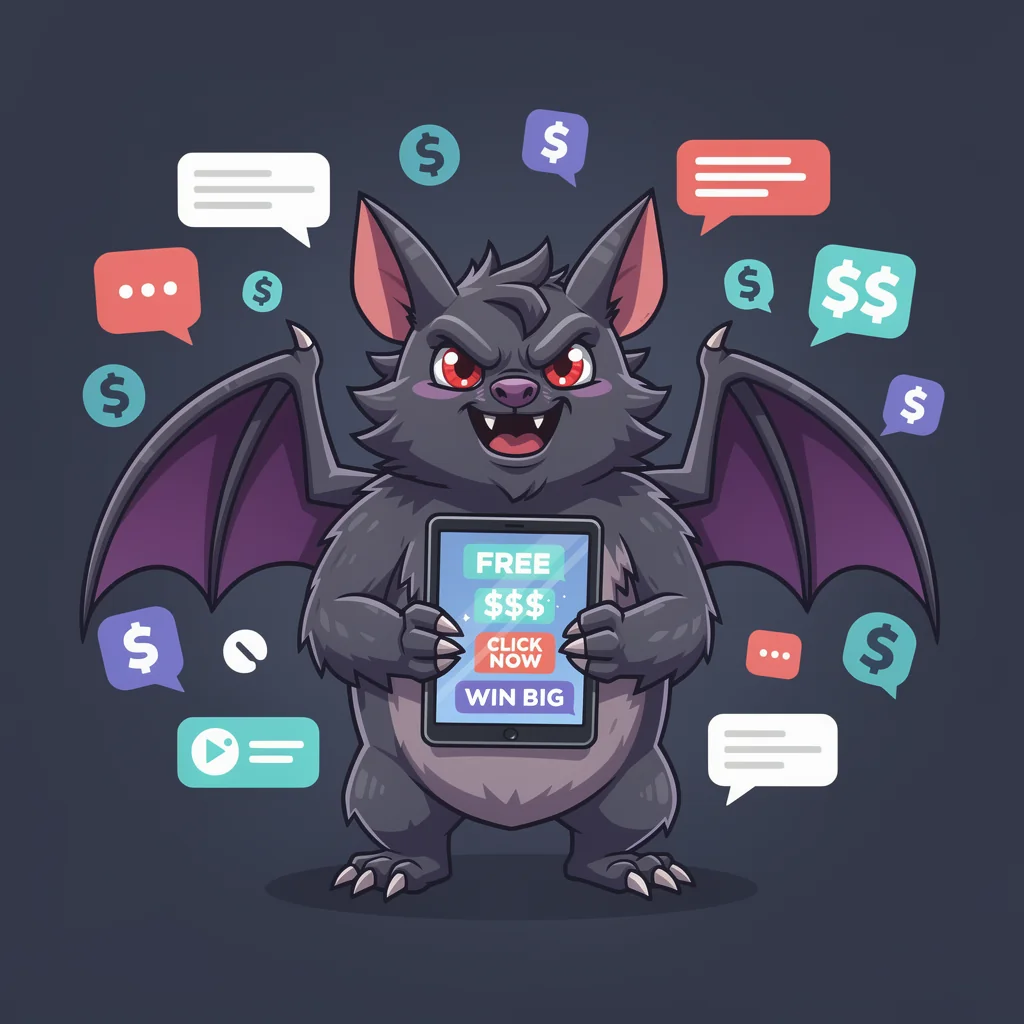
Spambat
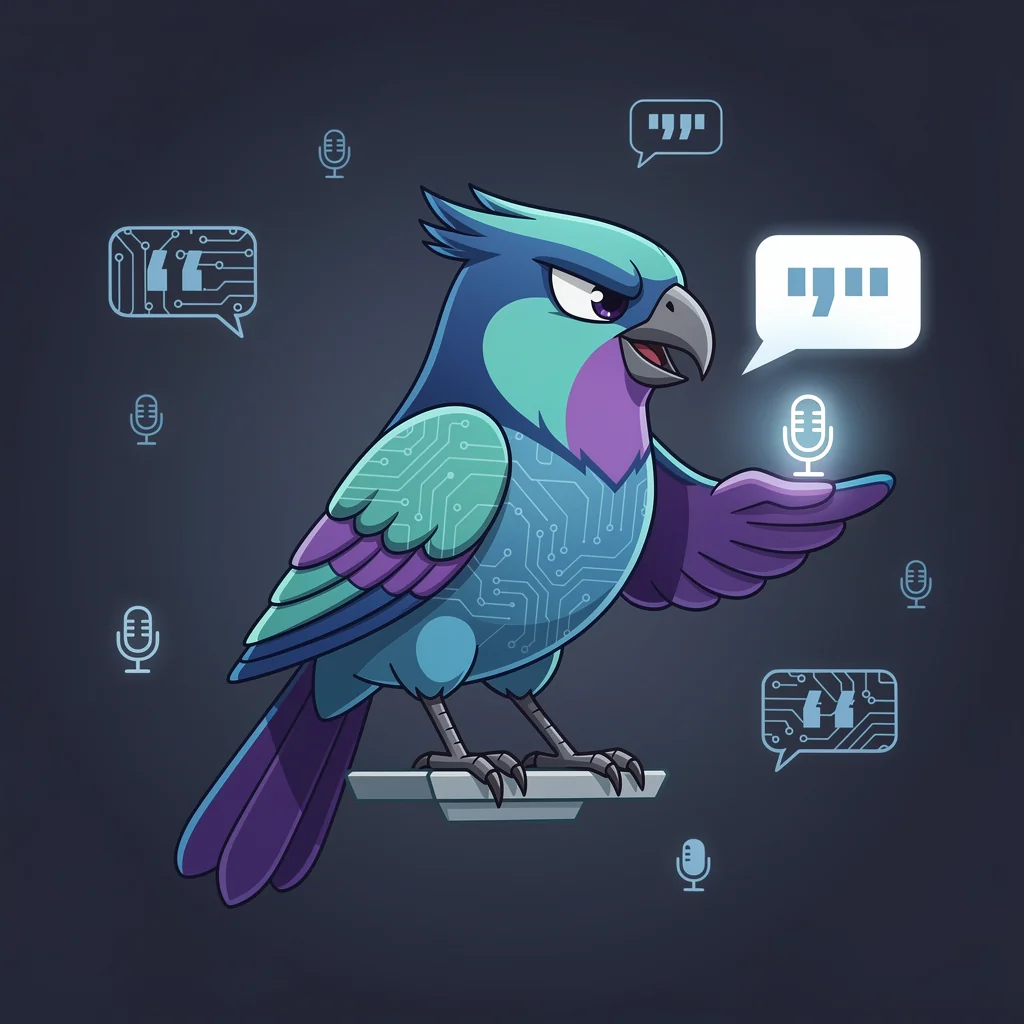
Moderate threatRepeats itself until somebody stops it.
Found in colonies. Spambats don't really plan — they just say the same thing in fifty channels and hope someone clicks. Mostly harmless individually; in numbers they can drown out a conversation in seconds. They mimic real members' avatars when desperate.
- Tactics
- Mass-posts identical (or near-identical) messages across channels. Often promotes a sketchy invite, a fake Nitro link, or a 'free skins' lottery. Surges at weekends and during big game launches.
- The Slow Style answer
- Sloth Lee has been watching message rates since before they arrived. AutoMod scores every message for similarity to recent peers; once a Spambat's third copy lands, the rule fires and every echo gets deleted along with the wing it came from. The whole flock is gone before most members notice.
- Habitat
- Lurks in the canopy near link previews. Hates daylight (well-moderated channels with active staff).
See it in action: AutoMod →
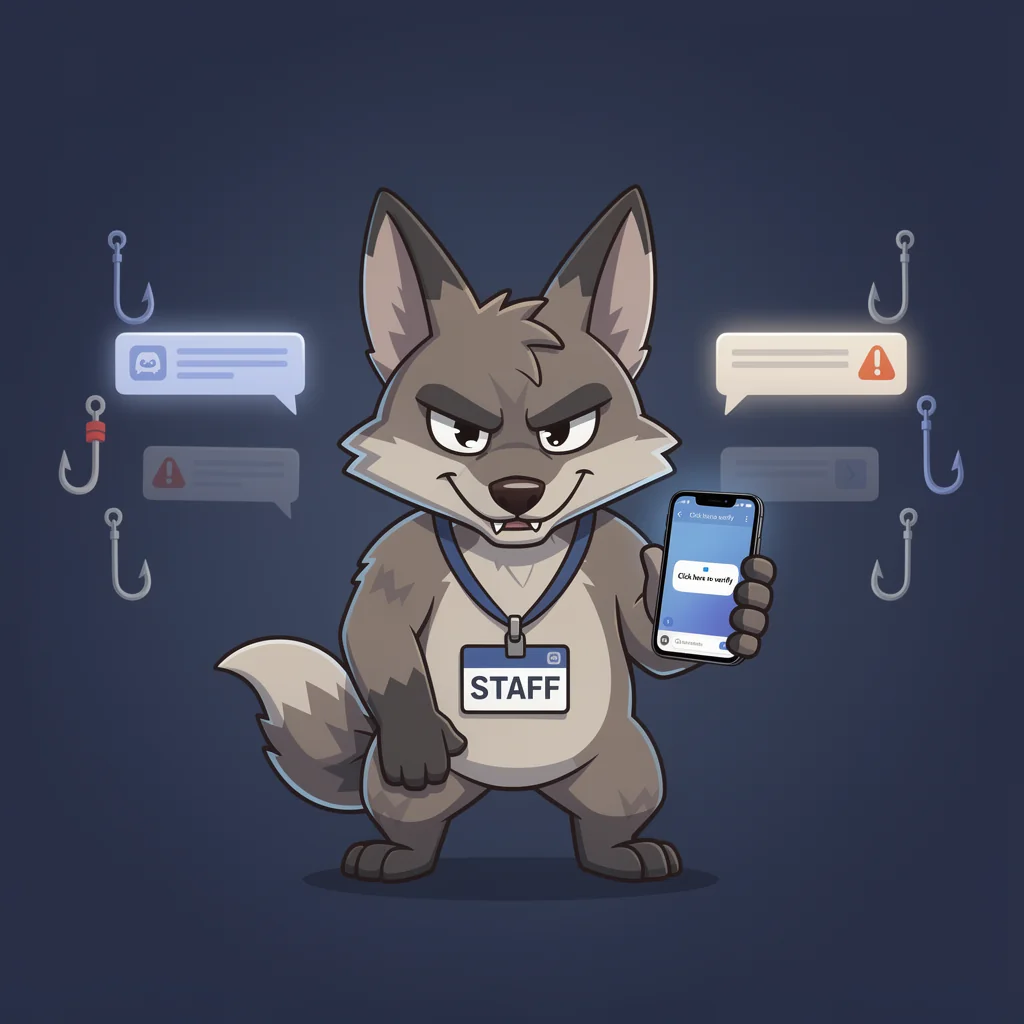
Scamcoyote
High threatPatient enough to wait for someone alone.
Smarter than a Spambat and twice as patient. A Scamcoyote will sit quietly in a server for weeks, watching for a vulnerable target — a new member who just joined, someone visibly frustrated in a help channel, a kid bragging about Nitro. Then it strikes via DM with a fake support persona.
- Tactics
- DM-based social engineering. 'Hey, I noticed you had trouble with X — I'm from the mod team, click this link to verify.' Will use stolen avatars, pretend to share mutual servers, and reference real messages the target has posted.
- The Slow Style answer
- Two layers. Captcha verification gates new joins by account age and behaviour pattern (a coyote's brand-new account doesn't pass). For ones who slip through, the audit-timeline flags suspicious DM patterns even when the bot itself can't read the DM — pattern recognition on who's messaging whom, in what cadence.
- Habitat
- Edges of large servers, especially gaming and crypto communities. Avoids well-lit help channels.
See it in action: Verification & Captcha →
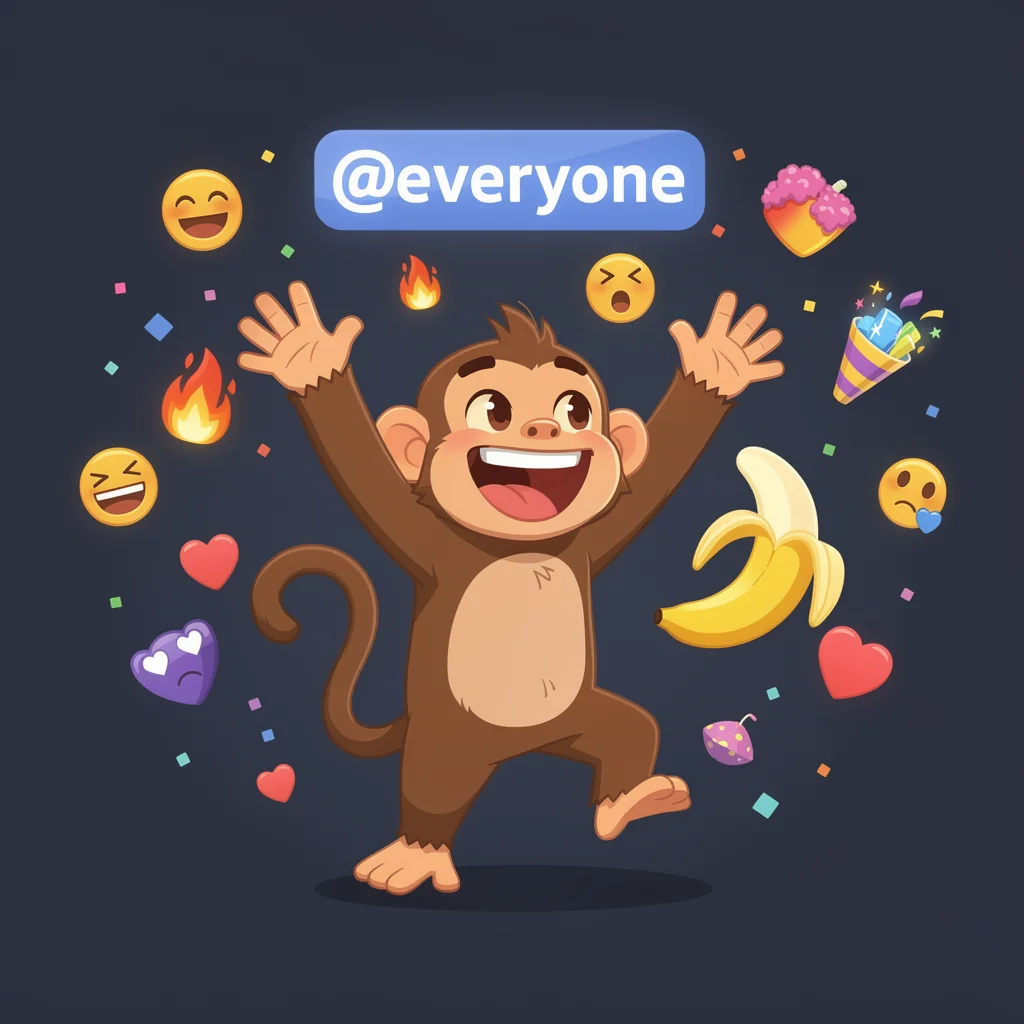
Mischief-monkey
Low threatNot malicious. Just chaotic.
Often a real member having a bad day. Spams emojis, pings @everyone for jokes, posts walls of text. Not the same threat as a Spambat — there's a person behind it — but the chaos drains staff time. The Slow Style treats them as people first, problems second.
- Tactics
- @everyone for non-emergencies, emoji spam, intentional rule-breaking 'for the lulz', occasional vote-brigading from one server to another.
- The Slow Style answer
- Graduated response. Sloth Lee logs the pattern, warns first, mutes for a cool-down, escalates only if it keeps happening. Mod-replay simulator lets staff see how a rule change would have handled past monkey incidents BEFORE shipping it.
- Habitat
- Discord-wide. Multiplies during big events (launch nights, controversies, late-night raids on other servers).
See it in action: Moderation →
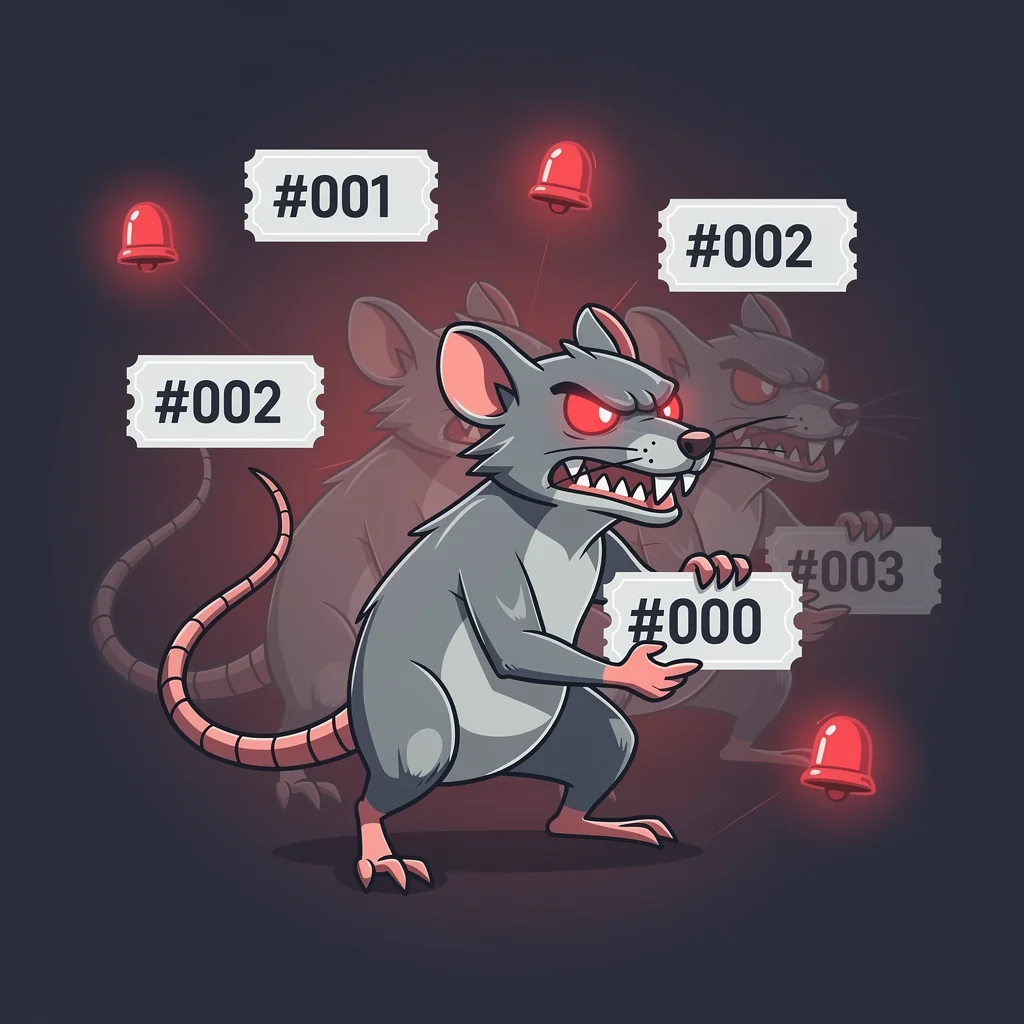
Raid-rat
Critical threatArrives in waves. Leaves in handcuffs.
Not really a single creature — it's a tactic, a coordinated swarm of throwaway accounts hitting one grove all at once. Usually rented from a discord-of-disrepute by someone with a grudge. The Raid Forecaster sees the signature before the swarm finishes joining.
- Tactics
- 100-500 brand-new accounts joining within minutes, often with sequential usernames. Floods #general, mass-pings, posts gore or shock content to drive members away. Wraps up in 4-8 minutes and disperses.
- The Slow Style answer
- Sloth Lee anticipates instead of reacting. The Raid Forecaster watches join velocity and account-age patterns; alerts your mod team BEFORE the first message in #general. Antinuke catches the mass-action signature (suddenly 200 new joins all from accounts <7 days old → automatic lockdown + ping to staff).
- Habitat
- Spawns in coordinated discords-of-disrepute. Targets large communities during emotionally-charged windows (after a controversy, a launch, a tournament loss).
See it in action: Raid Protection →
Self-bot Snake
High threatLooks like a friend. Drains the grove.
A compromised member account — usually one whose owner reused a password somewhere. The snake doesn't act differently for a while, then suddenly DMs every member with a phishing link. Trust is the wound: the link comes from someone the recipients know.
- Tactics
- Slow-burn. Operates undetected for days. Then bursts: mass-DM to mutuals with a 'free Nitro' or 'I'm being investigated, please help' link. Sometimes also adds malicious roles or kicks staff if it caught an admin.
- The Slow Style answer
- Antinuke. Sloth Lee watches for the SIGNATURE of a compromised mod — mass actions in a short window that don't match the person's normal cadence. Rate-limit-based detection catches it without false-positives on normal staff work. Plus per-action audit log lets ops trace what happened and undo it.
- Habitat
- Anywhere passwords get reused. Drift-net for the unwary.
See it in action: Antinuke →
Echo-thrush
Moderate threatPlays your community's words back at it.
The trickiest one. An echo-thrush listens to a server for days, learning its vocabulary — the in-jokes, the names of regulars, the way the staff talks. Then it mimics. A phishing DM 'from staff' that uses three internal phrases is much harder to spot than one from a Scamcoyote.
- Tactics
- Hybrid: account is human-controlled but uses AI for the impersonation message. Tactics blur with Scamcoyote, but the language is convincingly local. Targets specifically the people who would normally spot a generic scam.
- The Slow Style answer
- The same AI that worries you here also defends you. AutoMod's toxicity classification + the AI server diagnostician notice when a message's vocabulary fingerprint matches the staff's, but the sender isn't on the staff role. Flagged for human review, not auto-acted (a thrush's impersonation needs eyes-on confirmation).
- Habitat
- Larger servers with established culture. Indifferent to scale; preys on familiarity.
See it in action: AI AutoMod →